

OVERVIEWI led the first graphical interface real-time cybersecurity intelligence platform built on global network telemetry.
Role
Lead Product Designer
Scope
Product strategy, data visualization, UX architecture
Duration
2 years
Key outcomes
50%
Reduction in analyst response time
3x
Revenue growth for cybersecurity division
100%
Increase in engagement
SQLs
~5% visitor → qualified lead conversion
CONTEXTMaking global cybersecurity intelligence understandable and actionable
NTT processes over 80% of the world’s internet traffic, giving it unique visibility into cyber attacks. Yet the underlying telemetry was accessible only to specialized analysts, limiting its value for enterprise decision-makers.
I led a two-year engagement at SocioFabrica designing the first graphical interface for NTT’s threat intelligence platform, transforming complex network telemetry into an interactive product usable by both analysts and business leaders.
PROBLEMNTT’s sensors generated massive volumes of real-time attack data, but the information was difficult to interpret outside of technical teams.
As cybersecurity became a growing business risk, NTT needed to:
Help analysts detect and investigate threats faster
Enable business stakeholders to understand risk patterns
Increase awareness and adoption of NTT cybersecurity services
The challenge was translating complex telemetry into a product that supported both technical investigation and strategic decision-making.
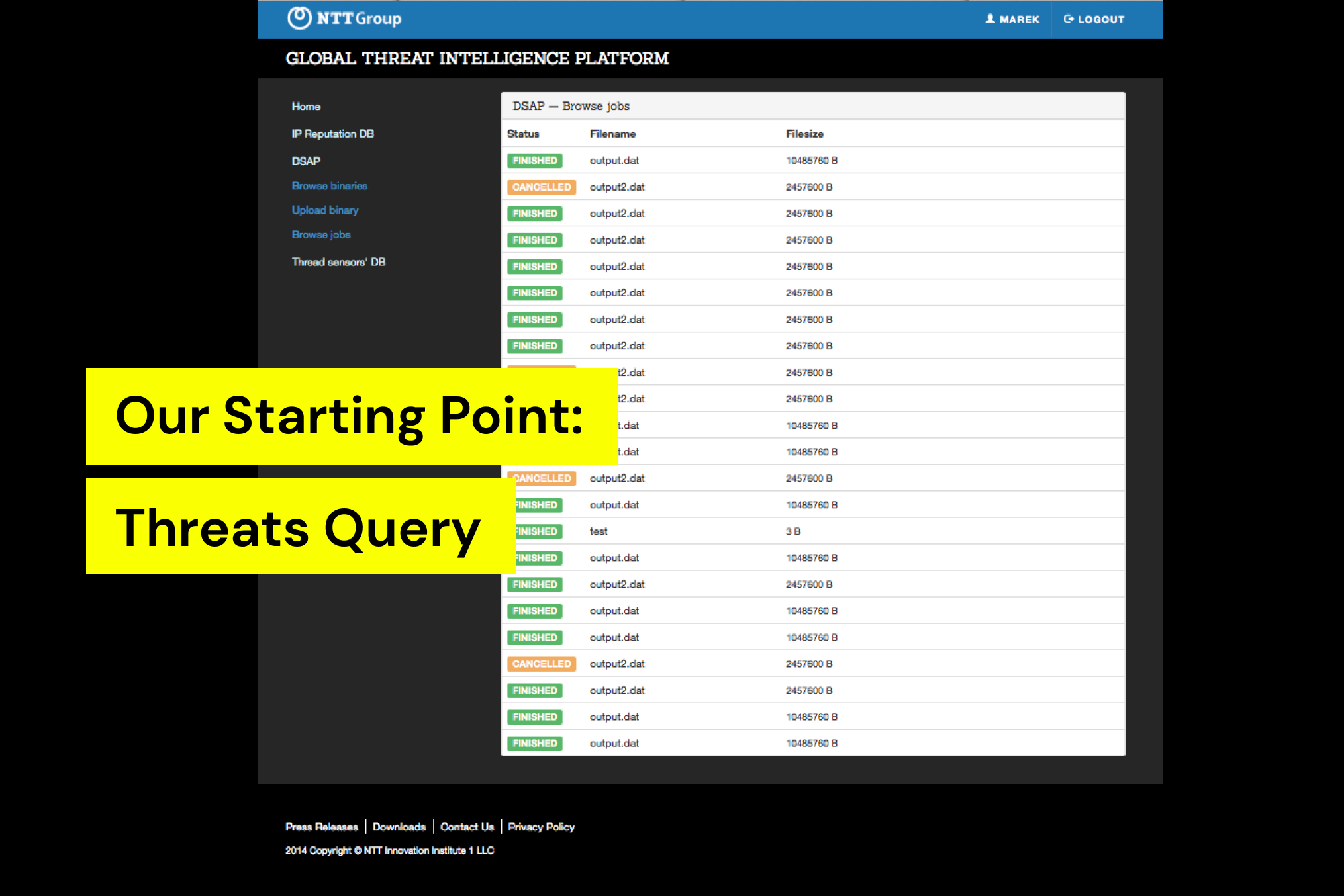
INSIGHTResearch with NTT’s cybersecurity experts and enterprise customers revealed a key tension:
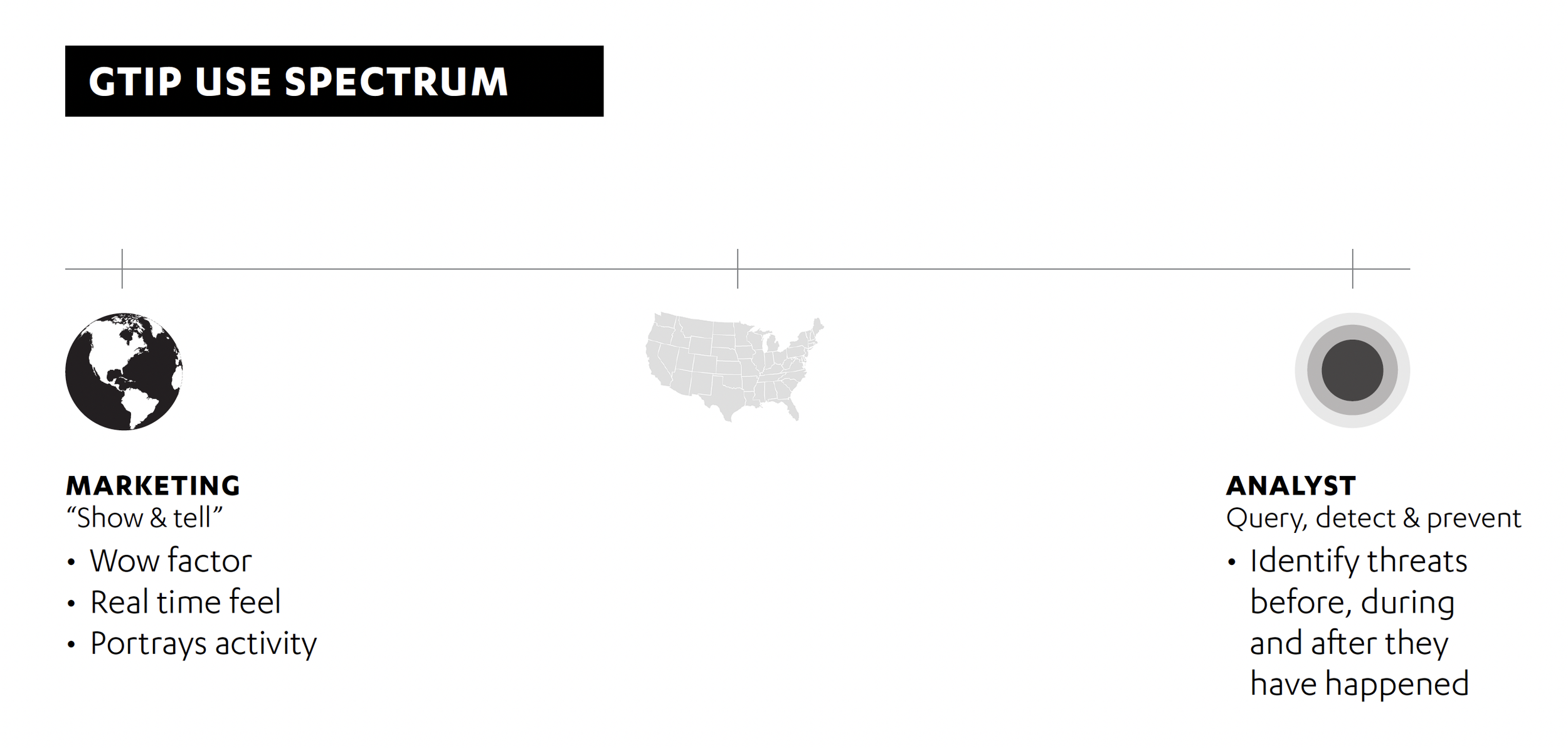
Analysts required deep forensic detail, while business leaders needed clear signals about patterns and risk.
A single interface would either overwhelm non-technical users or limit analytical depth. The platform needed to layer information so users could move from high-level patterns to detailed telemetry when necessary.
SYSTEM CONSTRAINTSMassive data scale
Global network telemetry required real-time performance and accuracy.
Technical fidelity
The interface needed to represent cybersecurity intelligence analysts relied on during investigations.
Cross-functional ownership
The initiative spanned cybersecurity research, product teams, and marketing, serving both internal investigation workflows and external awareness goals.
KEY DECISIONSProgressive data disclosure
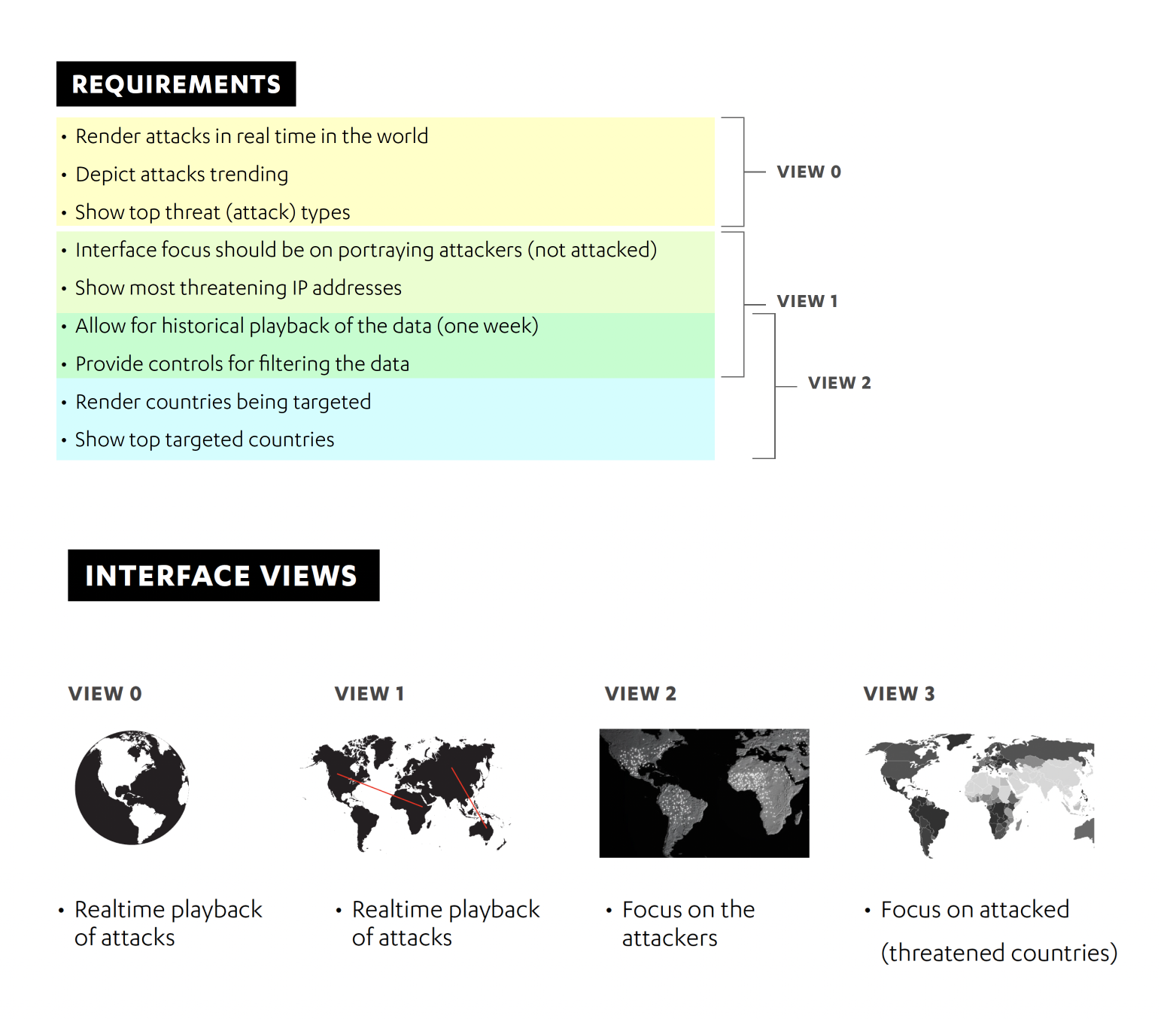
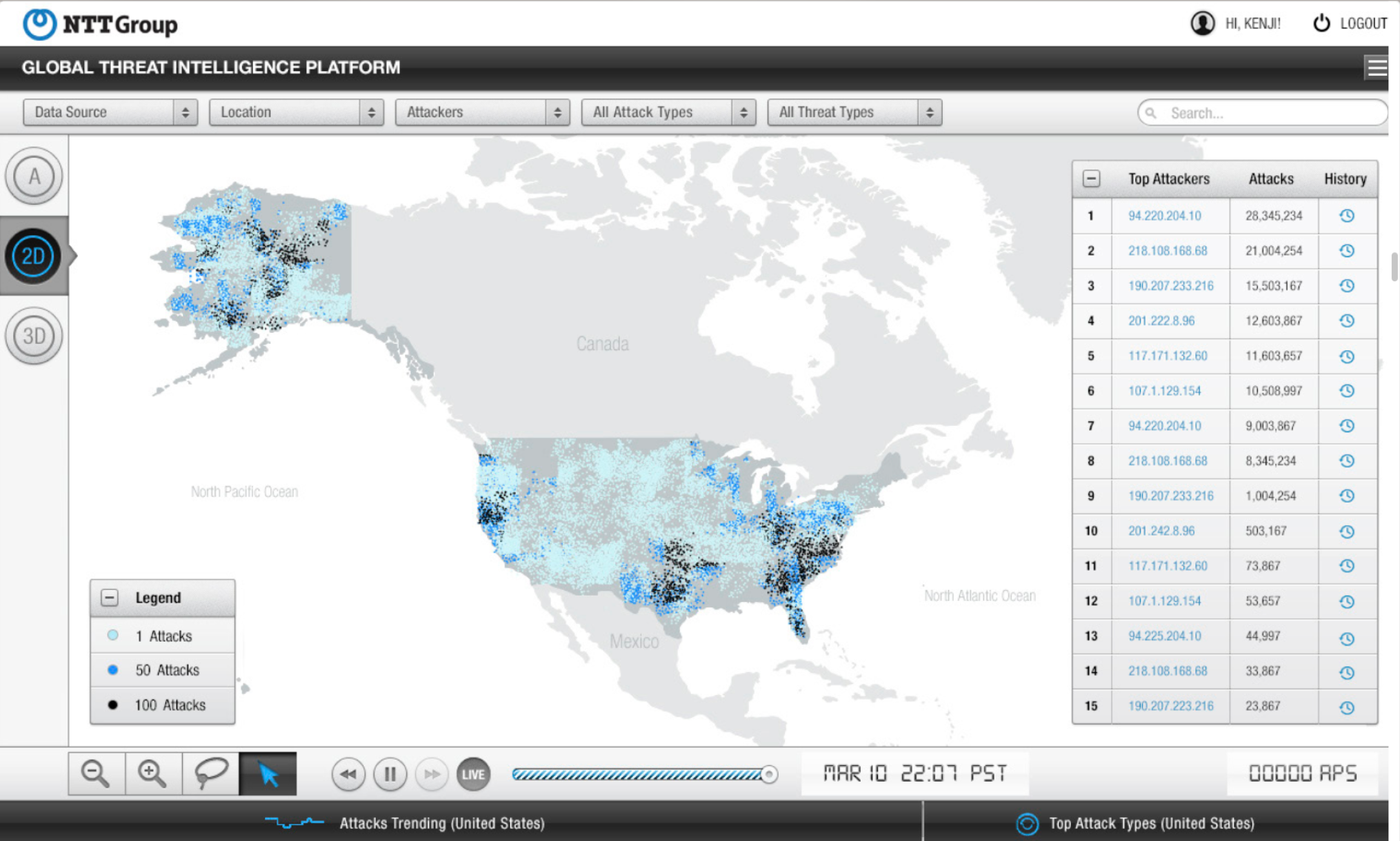
We structured the interface around layered data visibility—starting with a global overview of attack activity and enabling users to progressively drill into technical detail. This preserved analytical power while making the system approachable for non-technical users.
Spatializing threat intelligence
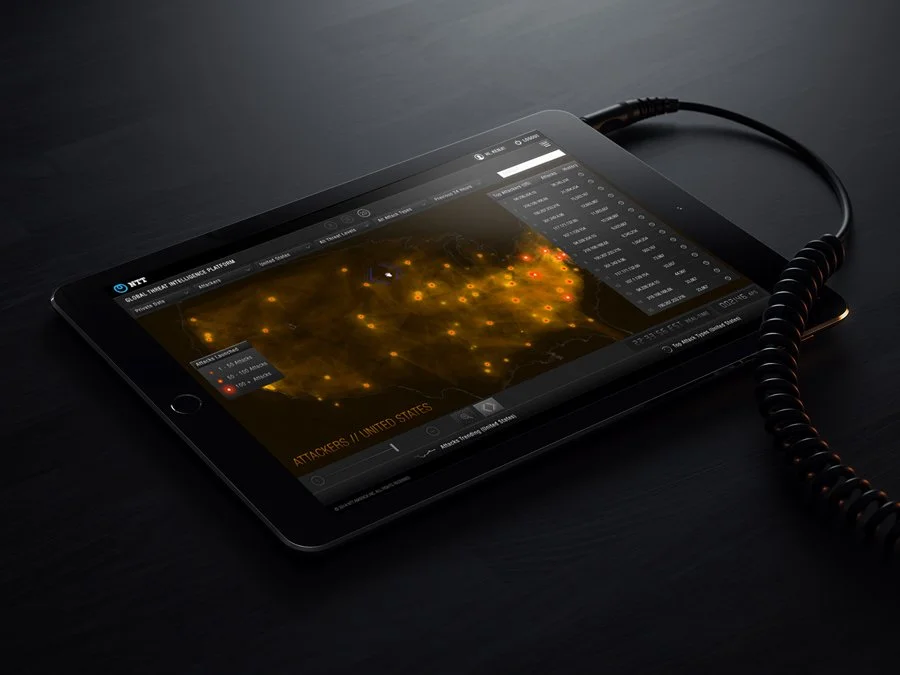
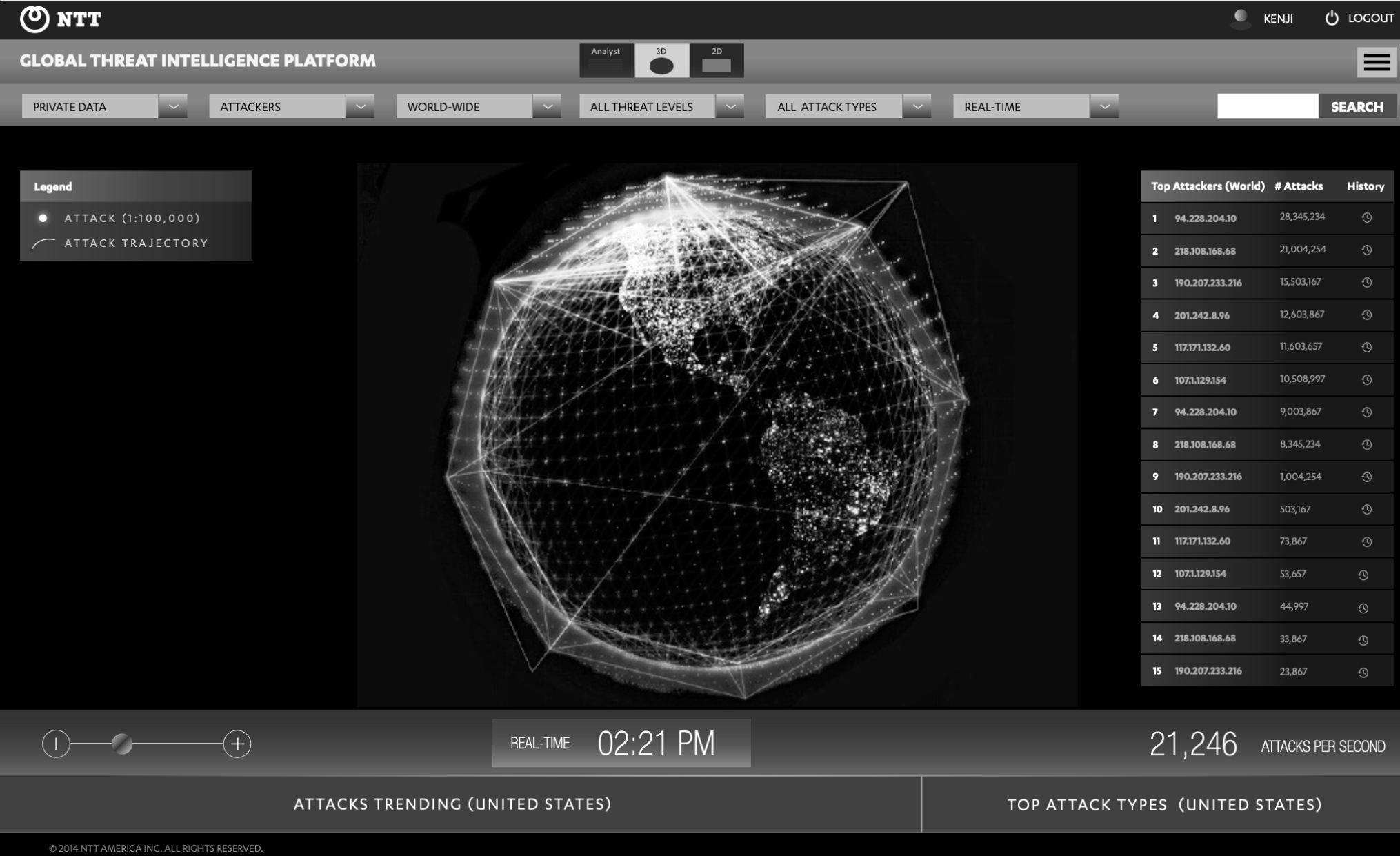
We visualized attacks through an interactive global threat map, turning telemetry streams into patterns users could immediately interpret. Analysts could identify attack origins faster, while business stakeholders gained an intuitive view of the threat landscape.
Connecting intelligence to business context
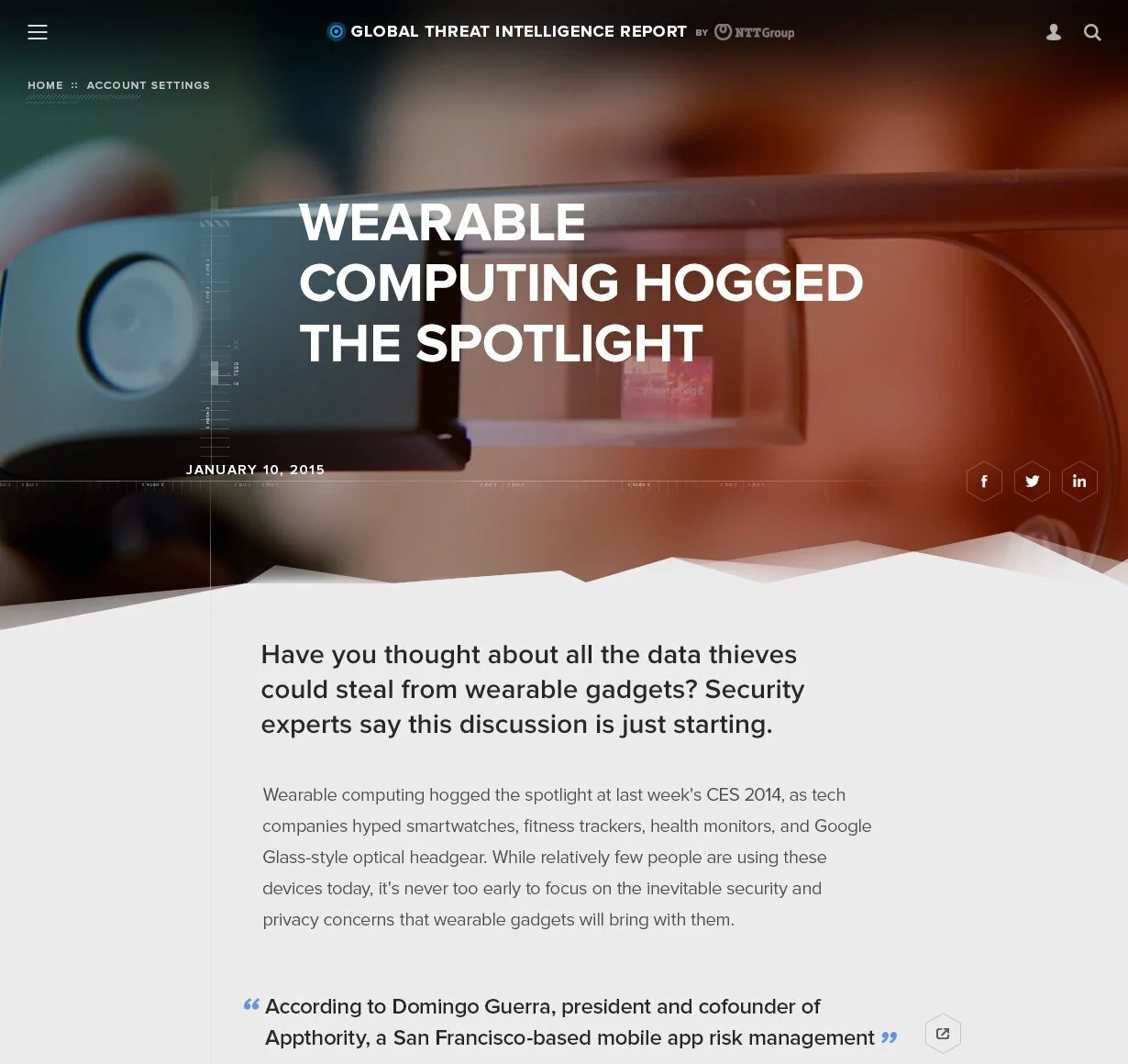
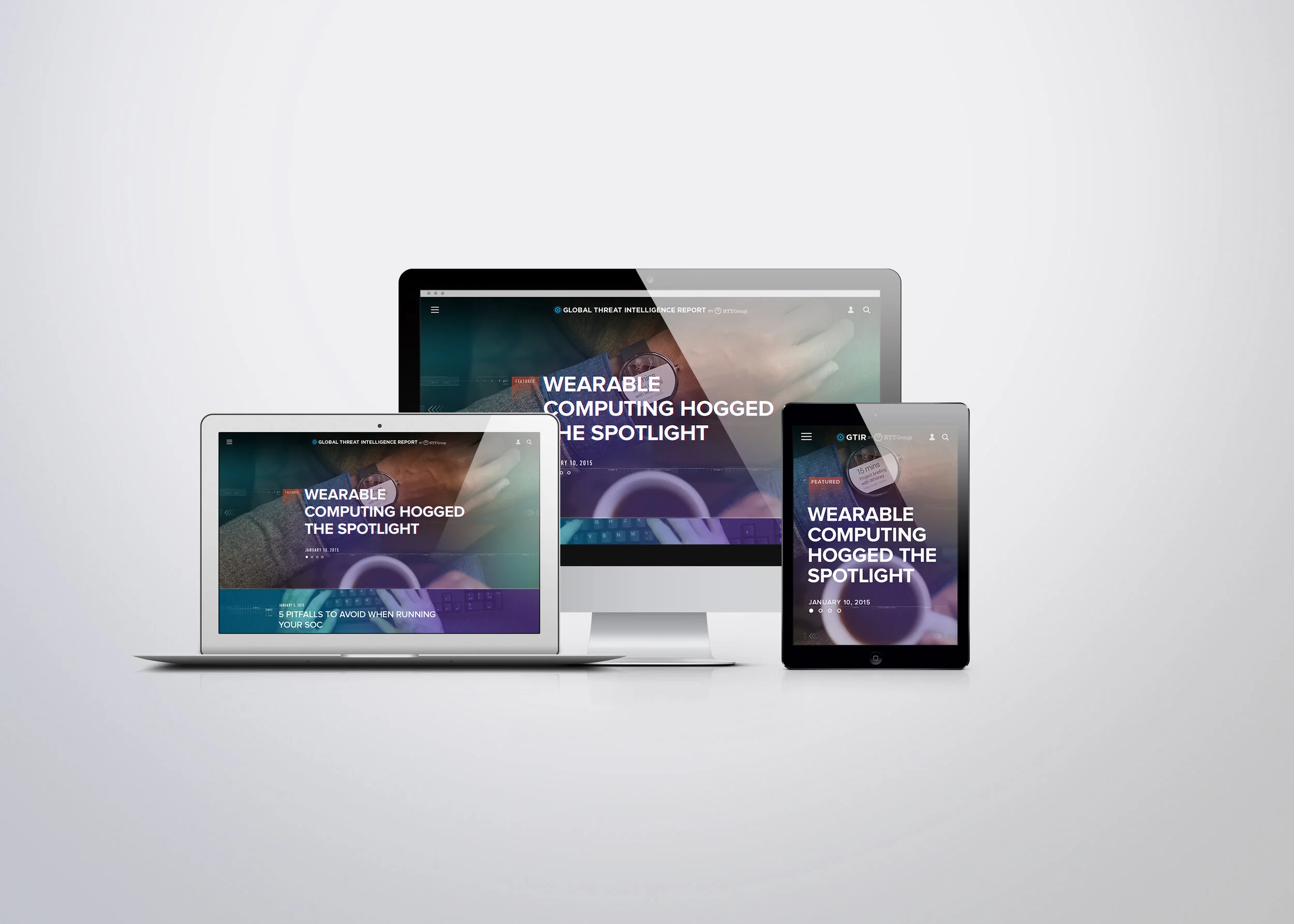
We introduced a threat intelligence content layer translating raw telemetry into industry-specific insights. A custom CMS integrated with NTT’s systems enabled teams to rapidly publish analysis tied to emerging threat patterns.
WHAT I PERSONALLY DROVEReframed the initiative from visualizing data to making threat intelligence actionable
Defined the product architecture serving analysts and business stakeholders
Led discovery with NTT cybersecurity researchers and enterprise customers
Designed the core visualization model, including the real-time threat map
Introduced the content + CMS layer connecting threat intelligence to growth

IMPACTThe platform transformed previously opaque telemetry into a decision-making tool for analysts and enterprise customers.
Results
50% reduction in incident response and resolution time
3x revenue growth for the cybersecurity division within the first year
100%+ increase in engagement
~5% visitor-to-lead conversion rate
Silver Davey, Silver Communicator, and Silver Creativity Awards
50%
Reduction in incident response
100%
Increase in engagement
3x
Revenue growth
~5%
Visitor-to-lead conversion rate
KEY LEARNINGSLayer complexity rather than remove it
Progressive disclosure preserved analytical depth while making the system usable for broader audiences.
Visual models accelerate understanding
Spatializing threat intelligence surfaced patterns hidden in telemetry streams
Product design can drive growth
Connecting intelligence insights to a publishing system turned the platform into both an operational tool and a lead-generation engine.
Project Team
Jeffrey Lange, Jessie Jones, Keyvan Hajiani, Sina Eghrari, Sylvia Vaquer

Mayan Mathen, Chief Technology Officer, NTT